





Amonbet Login - How To Access Your Account
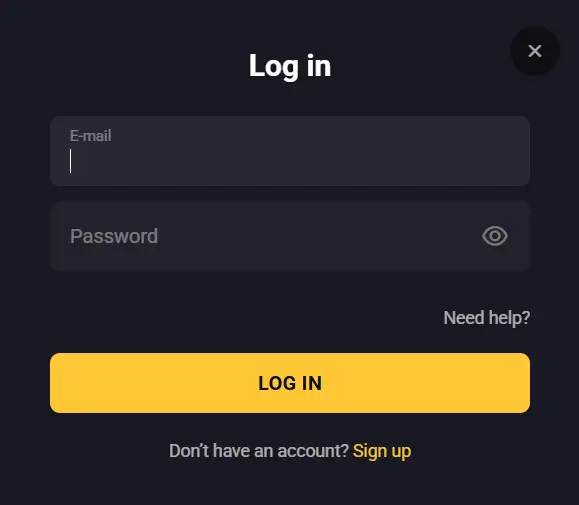
Imagine: you want to check your balance in two minutes before leaving the house, but you're unsure which route is fastest. Most players first open the login screen, enter their details, and then want to go straight to the lobby. Once you understand that process, it feels the same every time, even when switching between laptop and phone.
Start with the basics: use one fixed method to open your account and don't keep switching between “quick” alternatives. Usually, things go wrong due to small details - an auto-filled field, a space you don't see, or an old password still on your device. Work step-by-step: first your user details, then check if you are in the correct environment, and only then proceed to the games.
Do you immediately get an error message? Then stop repeating. An account is often temporarily slowed down or blocked if there are too many attempts in a row. It's smarter to first check your input (caps lock, keyboard language, auto-correction) and only then try again.
What You Usually Fill In And Why It Sometimes Fails
Consider a familiar situation: you type your details, press confirm, and “nothing” happens. Often it's not a mystery, but a detail - your device adds an extra character, or your browser fills in an old field. Therefore, first check if the username and password are exactly as you once set them, without extra spaces before or after.
A practical routine helps: consciously type your password once, check if your keyboard is set to the correct language, and temporarily disable auto-fill assistance if you suspect it's causing problems. Many players only realize late that their password manager is saving an older version, especially after a change.
When a Session Timeout Kicks You Out
Suppose: you leave a tab open while you take a call, and afterwards your session is gone. This is usually normal behavior for a platform that limits sessions to prevent abuse. See it as an automatic pause button that protects you when you are briefly absent.
What to do then: close outdated tabs, open one fresh session, and avoid multiple devices simultaneously if you notice your session is often logged out. It's a small habit, but it saves frustration.
Access In Netherlands: Check Before You Start
Suppose you are in Netherlands and want to play quickly, but you notice that certain payment options or verification steps feel different than you are used to. This can happen because availability and checks often depend on your region, your settings, and the chosen method. So don't immediately think “it doesn't work,” but rather “which step requires attention now?”.
First, check your basic settings: your device's date and time (which can affect codes and confirmations), your internet connection, and your browser updates. Sounds boring, but it prevents the classic error where you can load, but cannot confirm.
Next comes the practical part: ensure you have access to the email or phone number linked to your account. Players often get stuck here if they have a new number, or if an old mailbox is full and messages don't arrive. Keep it simple: one working contact point that you actually use.
Finally: only play if you meet the minimum age according to local rules and if you can keep yourself sharp. A quick check-in helps: “Am I relaxed now, or am I playing to forget something?” That one moment often leads to better choices later.
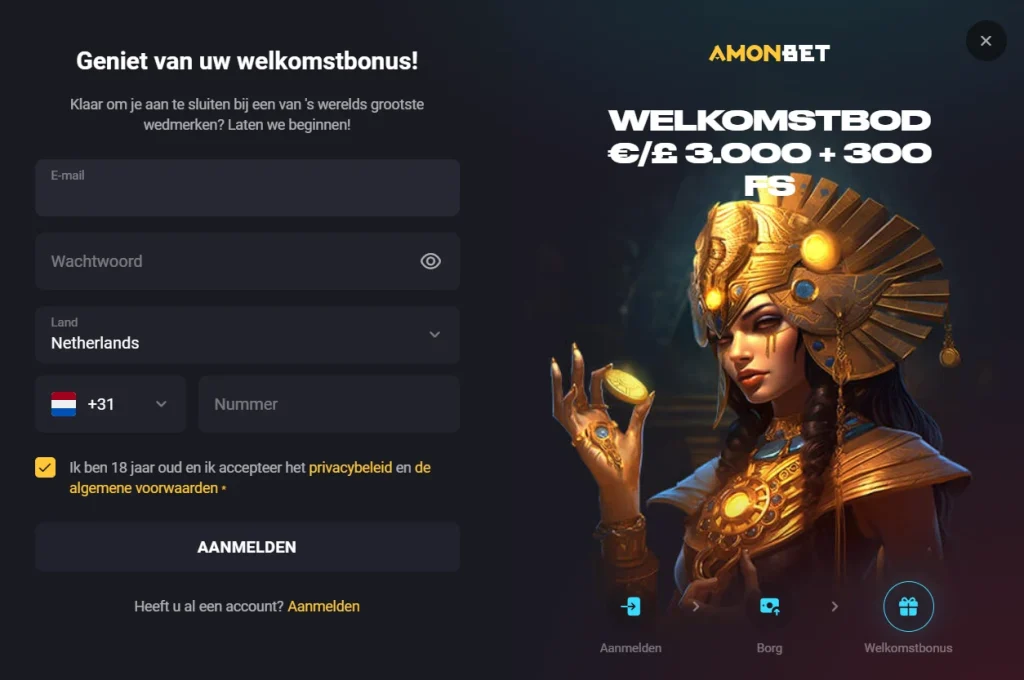
Secure Login And Account Protection
Suppose: you borrow a friend's laptop, log in, and forget to log out later. The next user sees your session still open – exactly the kind of hassle you'd rather avoid. Security isn't just about a “strong password,” but primarily about behavior: how you start your session, how you end it, and where you store your data.
Choose one strong access code that you don't reuse. No birthdays, no simple patterns. Many players think they have “something unique,” but still use the same base with a different number behind it. That's easily guessable, especially if you use that code elsewhere too.
Also pay attention to notifications: if you receive a message about a new login you don't recognize, take it seriously. Change your password, check your devices, and opt for an extra layer of security if available. Playing safely also means: acting calmly, not panicking, and not changing ten things at once.
Two-Step Verification Without Hassle
Suppose you are about to make a deposit, and suddenly an extra step with a code appears. Many players sigh then, but that step is usually there to limit abuse. See it as a quick traffic light check: confirm briefly and proceed.
Make it easy for yourself: link one reliable number or an email address you use daily, and test it once at a quiet moment. If you only encounter this check when you're in a hurry, it feels more like a "hassle", whereas in fact it can be a predictable routine.
Smart Handling of Messages and Codes
Suppose: you are waiting for a code and nothing arrives. Often, it's not the platform's fault, but your spam folder, a full inbox, or filters that automatically move messages. So, also check your junk folder and search by sender name, not just by subject.
Another tip that players often skip: don't request a new code five times in a row. Then you suddenly have multiple codes at once, and you accidentally use the wrong one. One request, wait a moment, then try again.
Sharing Devices and Open Wi-Fi
Suppose: you are in a café and using public Wi-Fi. It works, but you don't know who else is on that network. In such a situation, it's smart not to perform sensitive actions, such as changing payment settings or adjusting your profile information.
If you must play, limit yourself to viewing the lobby or your account status, and then log out immediately. The same applies to shared devices: use a private window, do not save passwords, and check after finishing whether your session is truly closed.
Amonbet Logging In - Solutions for Error Messages
Suppose: you have filled in everything correctly, but you get a message that your details are incorrect. Many players then type faster, click faster, try faster - and make the problem worse. Working more calmly is better: first understand what could go wrong, then try again.
Start with the predictable: wrong keyboard layout, caps lock, autofill pasting an old password, or a hidden space. These kinds of causes feel trivial, but they surprisingly often explain the failed attempt.
Do you get a warning about too many attempts? Take it seriously. Wait a moment, prepare your recovery route, and try again later. In 2026, platforms will more often use temporary safety brakes to limit abuse - this can be annoying, but it also protects your account.
Password Forgotten Or Typed Incorrectly
Suppose: you know "approximately" what your password is, but not exactly. Then guessing is the fastest way to lock yourself out. It's smarter to immediately use the recovery procedure and reset it properly.
After that, create a mini-checklist for yourself: save it in a reliable password manager, don't write down codes in loose notes on your phone, and don't change your password too often without reason. Players who change it every month "just in case" actually forget it faster, and then end up in recovery again.
Control Checks And Temporary Blockade
Suppose: you suddenly log in from a new device, or from a different network than usual. The platform may then ask for extra verification or temporarily hold your session. This feels like you are being "hindered", but it is often a security reflex.
What helps: ensure your profile information is up-to-date, especially your contact point for confirmations. If you are still in the middle of a verification step, complete it before trying to log in again. Half-done work often leads to repeated notifications.
And pay attention to your own rhythm: if you try three times in a row and it doesn't work, consciously stop. Close your browser, restart, and try carefully once. This is usually more effective than ten quick attempts.
Navigating After Access: From Lobby To Favorites
Imagine: you're finally logged in and want to jump straight back into the game you were playing yesterday. Many players waste time scrolling, searching, and wondering where it was. The trick is to make your route short and repeatable, like having a fixed path in a supermarket.
Use the categories as intended: slots, live tables, or sports sections (if available in your region). Don't just look at banners, but at filters: recently played, popular, new, or search function. That's usually where you save the most time.
Want a calm session? Then it helps to check your settings first: notifications off, limits on, and only then open games. Many players do the opposite and have to come back later to sort everything out - by then you're already "in the flow" and it's harder to pause.
Also consider your own pace. A quick check of your balance and limits before you start prevents the moment when you suddenly have to stop in the middle of a session because you've lost track of your budget. That not only feels inconvenient, it also makes your choices more impulsive.
Get Back to Your Last Game Faster
Imagine: you only have ten minutes and don't want to waste time searching. See if your environment uses a list of recent or favorite games, and make it a habit. Players who set this up once are more likely to open what they really want to play instead of what happens to be at the top.
It sounds small, but it changes your behavior: less aimless clicking, more focused play, stopping again faster when you intended to beforehand.
Payment Options, Limits, and Withdrawals in Your Profile
Imagine: you want to deposit an amount, but you're unsure where your limits are. Many players only sort something out when it feels too late, while you can calmly set this up beforehand. See your profile as your cockpit: payments, limits, notifications, and personal data should all be clearly organized there.
In Netherlands, payment methods and processing times can vary depending on the choice and any pending checks. So don't count on one "fixed" duration, but on a process that depends on the method, verification, and internal checks. If you expect that, it will feel less frustrating when something takes longer.
Also make clear agreements with yourself: how much do you want to deposit per day or week, and when do you stop? Limits are not a punishment, but a tool to follow your plan, especially when you notice you're making decisions faster in a certain mood.
Section in Your Profile | Where You Usually See It | What You Do | What Can Happen | Practical Tip |
|---|---|---|---|---|
Depositing | Payments or Checkout | Choose method, enter amount, confirm | Extra check or confirmation needed | Prefer to do this on a trusted network |
Withdrawal | Payments or Balance | Select method, check details | Status remains "pending" for a while | Check if your details are up to date |
Budget Limit | Responsible Gaming | Set daily/weekly/monthly limit | New deposit may be refused | Choose a limit you can truly follow |
Time-out | Responsible Gaming | Choose duration and confirm | Access temporarily restricted | Plan this before you start, not after |
Notifications | Settings | Turn updates on/off | Fewer distractions during session | Turn on only what is necessary |
Deposits and Cashout Step by Step
Suppose: you want to deposit and play immediately, but you get an extra confirmation. This is usually a normal check, especially if your method is new or if your amount differs from what you did before. Follow the steps calmly, check your details, and complete one action fully before starting the next.
The same applies to withdrawals: choose a method that suits your situation, check your name and account details, and see if there is any pending verification. Players sometimes skip this check and later wonder why the process is delayed.
When a Withdrawal Takes Longer
Suppose: you expect money to arrive "instantly", but the status remains unchanged. This is not necessarily bad news right away. Processing can depend on the method, checks, busyness, and the order in which requests are handled.
What you CAN do: check if your request was created correctly, if you haven't accidentally started a second request, and if your profile details are correct. If you still have questions after that, support is usually the best channel - but go into the conversation prepared (amount, method, time, status).
Support and Responsible Gaming with Tools
Suppose: you get stuck on a verification step and don't want to keep trying endlessly. Then customer service is useful, but only if you make your question concrete. Many players type "it doesn't work" and then get standard questions back. Faster is: state what you see, what you have already tried, and where exactly you stop.
Also important: playing is entertainment, not a solution for stress. If you notice your pace increasing or that you "need to win back" something, that's the moment to use your tools. Limits, breaks, and self-exclusion exist precisely for these kinds of situations.
Make responsible gaming practical: set a budget in advance, determine your stop time, and stick to it. A simple timer on your phone can already help. Players who do this experience less regret afterward and keep it relaxed.
And something else that is often forgotten: manage your notifications. Fewer stimuli mean less impulse. If your environment constantly tempts you to click "just one more time", make your settings calmer.
Time-Out, Self-Exclusion, and Budget
Suppose: you notice you're lingering too long, even when you're actually done. Then a time-out is a quick way to distance yourself, without getting into an argument with yourself. You choose a period, confirm, and you automatically get a break.
Self-exclusion is more serious: it is intended for moments when you really need protection, not just a short break. Many players only use it when they have already gone too far, while it actually helps to draw boundaries earlier.
Budget limits make it concrete. Instead of "I won't play too much today", you set a limit that the system respects. That sometimes feels strict, but it provides peace of mind: you don't have to use willpower every minute.